SSSK Organises Medical Camp in Jalotara, Ambaji, Supporting 50 Community Members
Jalotara, Ambaji | 8 August 2026 — For many families living in villages around Ambaji, getting medical advice at the right time is not always easy. Daily work, travel and other responsibilities can sometimes lead people to delay a health check or ignore a health problem until it grows.
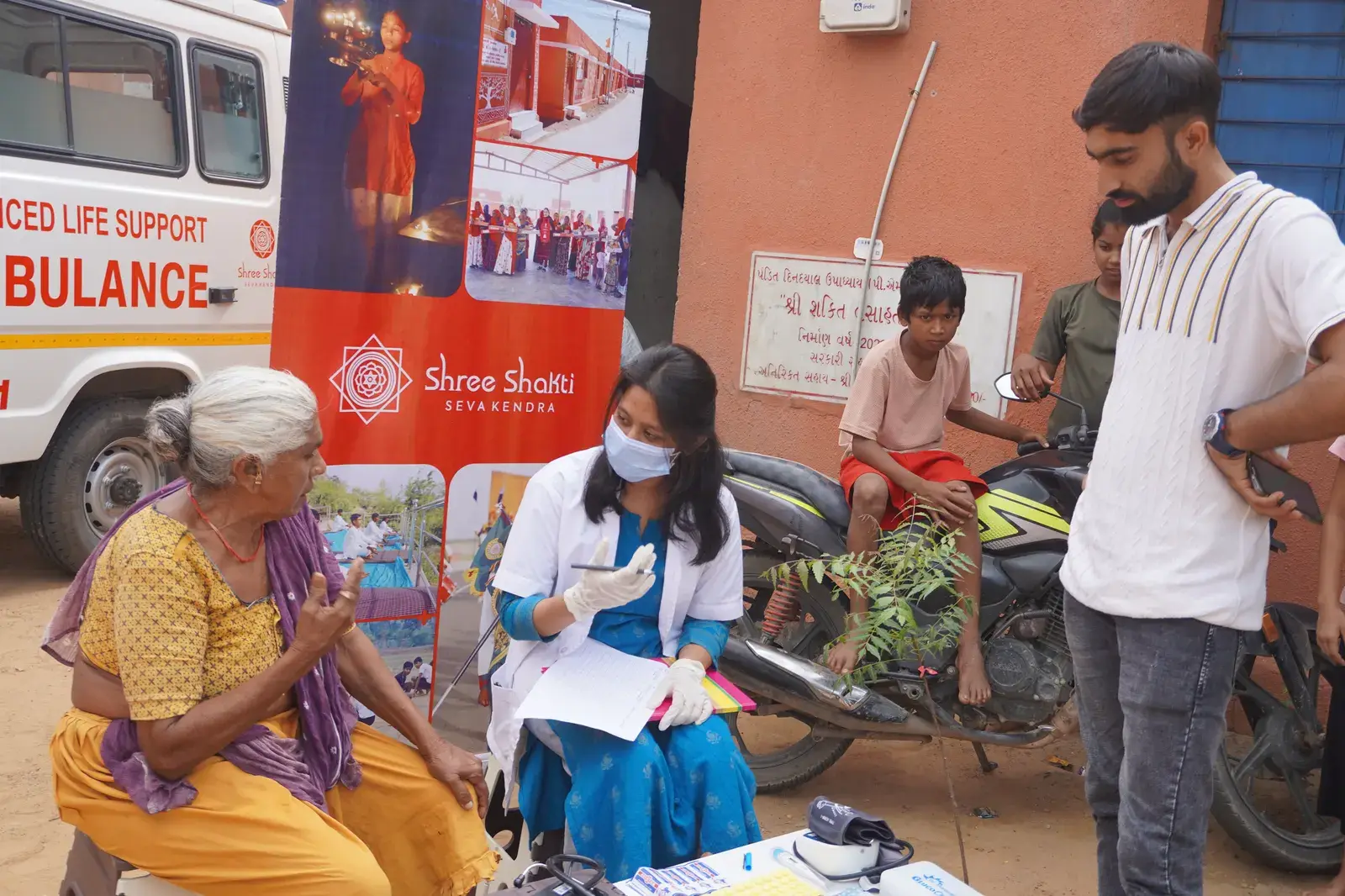
To bring medical support closer to the community, Shree Shakti Seva Kendra (SSSK) organised a medical camp in Jalotara, Ambaji, on 8 August 2026. Around 50 community members attended the camp and received medical guidance from a team of four medical professionals. The camp also included the distribution of medicines to people who needed them, as part of SSSK’s continued work to support the health and well-being of communities in and around Ambaji.
At SSSK, we believe in dignity over charity — creating practical, respectful support that helps families move from dependence to independence. Health, like education, is central to that journey. When a family is healthy, children can learn, women can work and plan, and the whole community takes a step forward — breaking the cycle of poverty, one day at a time.
Medical Camp at a Glance
| Organised by | Shree Shakti Seva Kendra (SSSK) |
| Date | 8 August 2026 |
| Location | Jalotara, Ambaji, Gujarat |
| Community members attended | Around 50 |
| Medical team | 4 members |
| Medical support | Consultation and health guidance |
| Medicines | Provided to community members as needed |
| Medical team member | Yen Sarkar, Medical Nurse |
Bringing Medical Support Closer to Jalotara
The purpose of the camp was simple: to make medical support easier to reach for people in the community. Instead of people having to travel elsewhere for basic medical advice, the medical team came to Jalotara and met community members at the camp.
Around 50 people attended during the day. They had the opportunity to speak with the medical team about their health concerns and receive guidance in a familiar, local setting. Health and education go hand in hand — when children and parents are healthy, attendance in school improves and learning becomes more consistent. For SSSK, whose work is rooted in the philosophy of भिक्षा नहीं शिक्षा — Education, Not Begging, bringing services to the doorstep is part of replacing the begging bowl with a school bag.
Yen Sarkar, Medical Nurse, was part of the medical team that supported the camp, along with three other medical professionals. The SSSK team and volunteers also helped with the arrangements and guided community members during the camp, ensuring that everyone who came could be heard with patience and respect.
Medical Consultation and Health Guidance
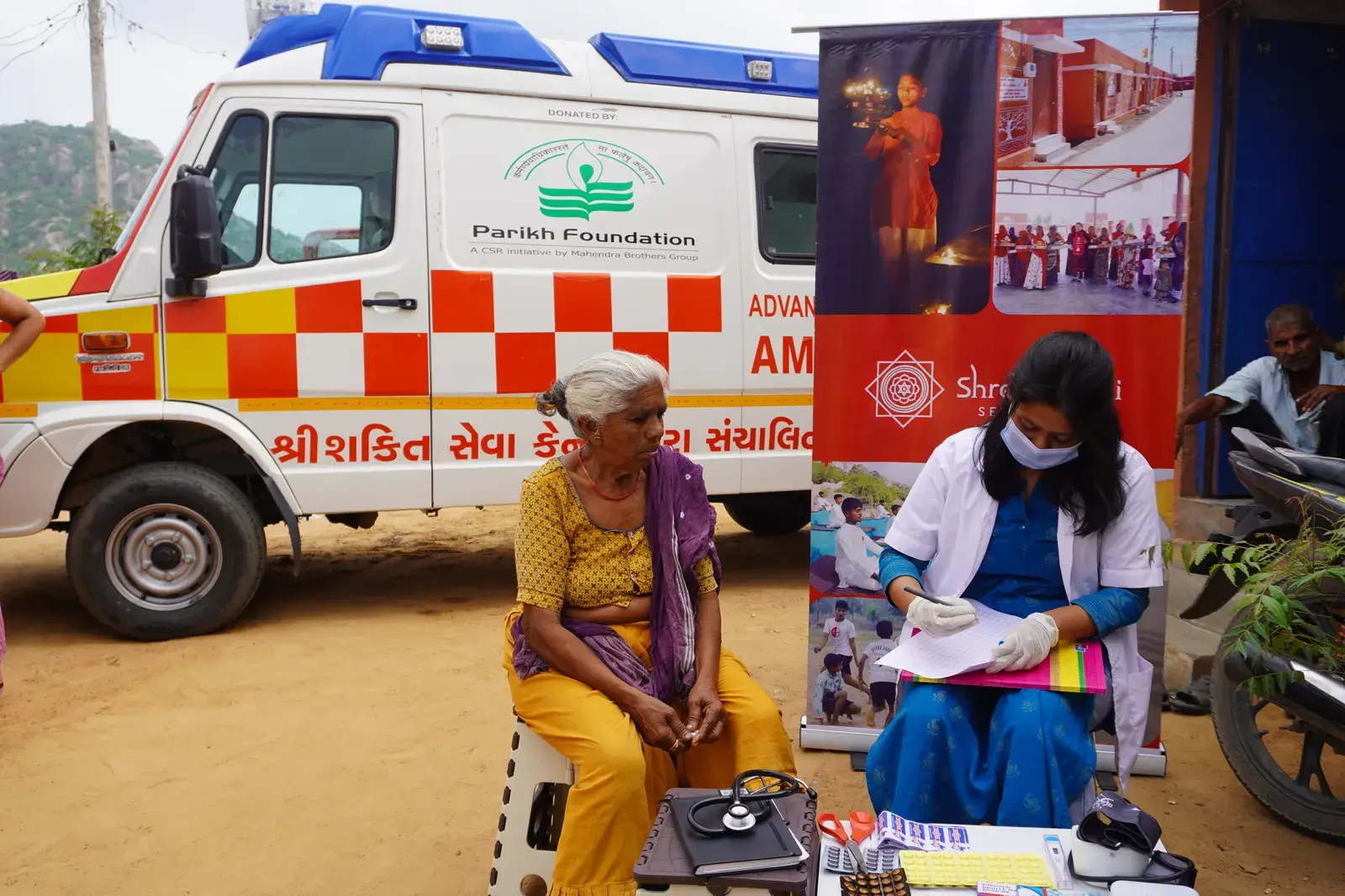
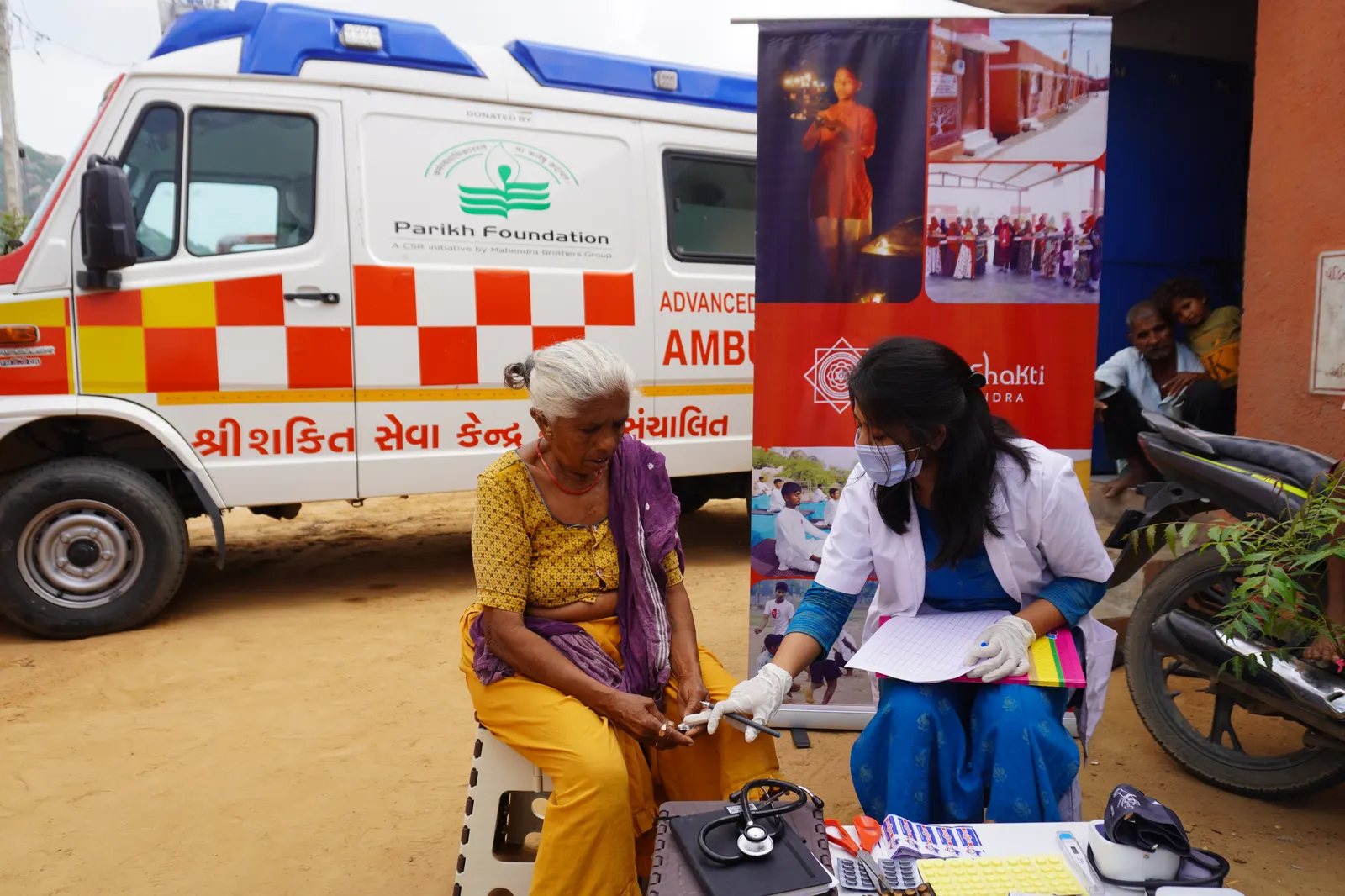
A medical camp gives people a chance to talk about health concerns that they may otherwise continue to ignore. At the Jalotara camp, community members met the medical team for consultation and received guidance based on their individual health concerns.
The team also encouraged people to pay attention to their health and seek medical help when they feel unwell or notice a health problem. They spoke about the importance of regular health checks and timely treatment, and helped people understand when they should seek further medical care. For families, such conversations are useful because they help people make better, earlier decisions about their health — a step that supports empowerment, not charity.
In the villages around Ambaji, where daily wage work and household responsibilities often come first, these one-on-one conversations can make a real difference. A timely piece of advice can prevent a small issue from becoming a larger one that keeps a parent from work or a child from school.
Medicines Provided to the Community
Medical support does not always end with a consultation. Where medicines were needed, medicines were also provided to community members during the camp following the medical consultation. This helped people receive the required support immediately after speaking with the medical team, without an additional journey or delay.
Keeping a record of medicines distributed can also help SSSK understand the common health needs seen during its community medical activities. Over time, these records help the organisation plan better — identifying seasonal patterns, recurring concerns, and areas where follow-up awareness is most useful. It is a practical, community-first approach that values long-term well-being over one-time help.
A Day of Care and Support
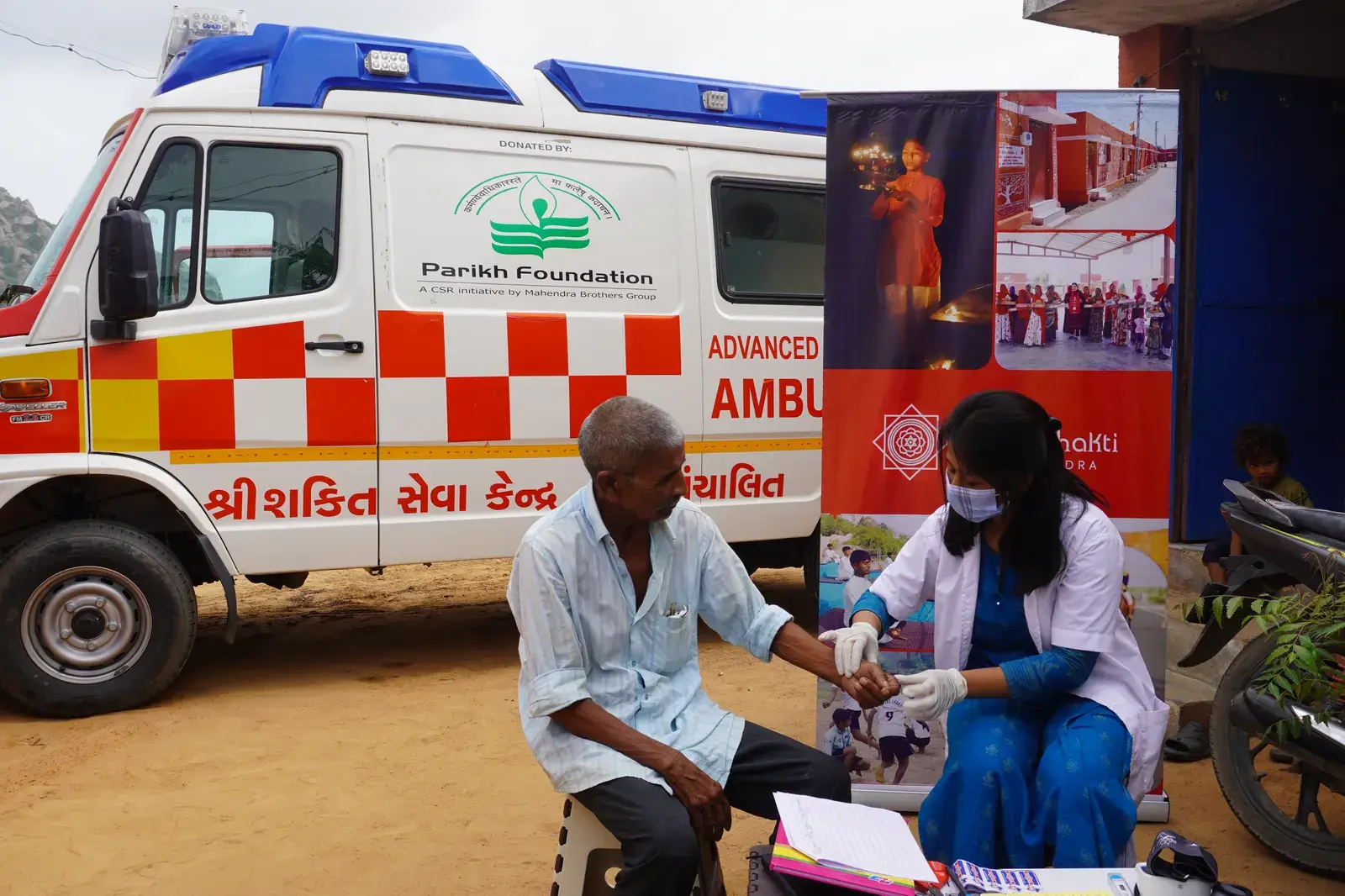
The camp was also about spending time with the community. The SSSK team and volunteers helped people during the camp, while the medical team focused on listening to their concerns and providing medical guidance with care and respect.
For an organisation working directly with communities, these interactions are important. They help the team understand people’s needs and see where further support may be useful. Whether it is through our hostel and child care programme that offers a family away from home to tribal children, or through health and livelihood support, SSSK stays connected at the ground level.
A medical camp may take place in one day, but the conversations and awareness created during the camp can encourage people to take better care of their health even after the camp is over. That continuity — one day of care leading to many days of better habits — is how small steps create lasting change.
Why Health Camps Matter
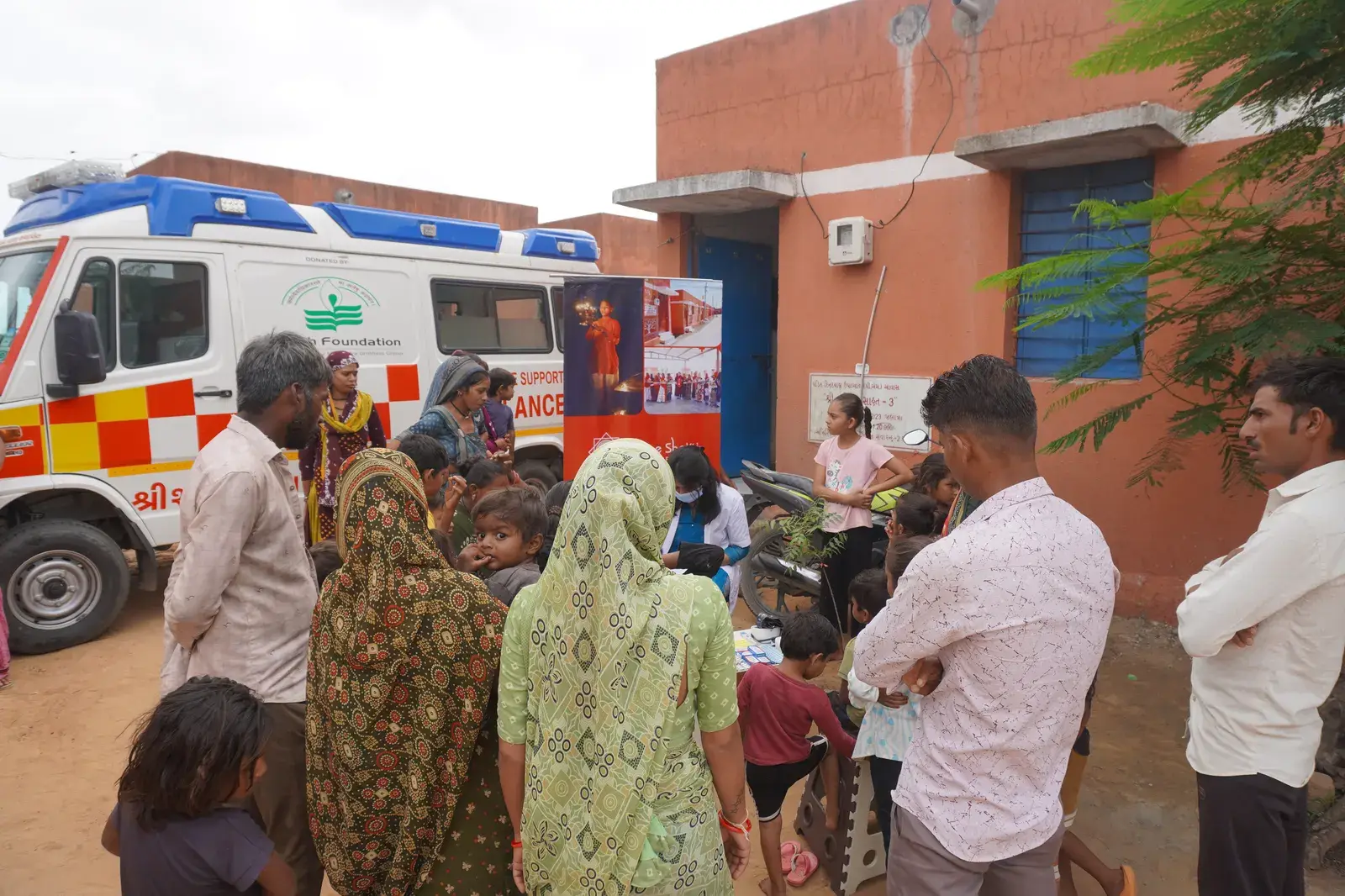
Health is closely connected with a family’s everyday life. When someone in a family is unwell, it can affect work, children’s education and the family’s daily routine. Getting medical advice at the right time can help people make better decisions about their health and avoid longer interruptions to earning and learning.
Community medical camps can also help people become more aware of the importance of regular health checks, timely treatment and not ignoring health problems. For first-generation learners and resilient women who manage both home and work, staying healthy is essential to keeping the journey from dependence to independence on track.
For SSSK, such camps are one way of taking practical support directly to the community. Over the last 15 years since 2011, the organisation has worked across education, healthcare and women empowerment, reaching 200+ children at the Shree Shakti Hostel and supporting community health needs as they arise. Each camp adds to that learning and strengthens the relationship with the families we serve.
Voices from the Medical Team
“The medical camp gave us a good opportunity to meet the people of Jalotara and understand their health concerns. It was encouraging to see community members come forward and take time to speak about their health. Small steps like regular health checks and timely medical advice can help people take better care of themselves and their families.”
— Yen Sarkar, Medical Nurse
A first-hand message from the medical team can help share what they saw during the camp and why regular health care is important for the community. Their perspective reminds us that trust is built when professionals listen first — with dignity, not distance.
SSSK’s Continued Work for Community Well-being
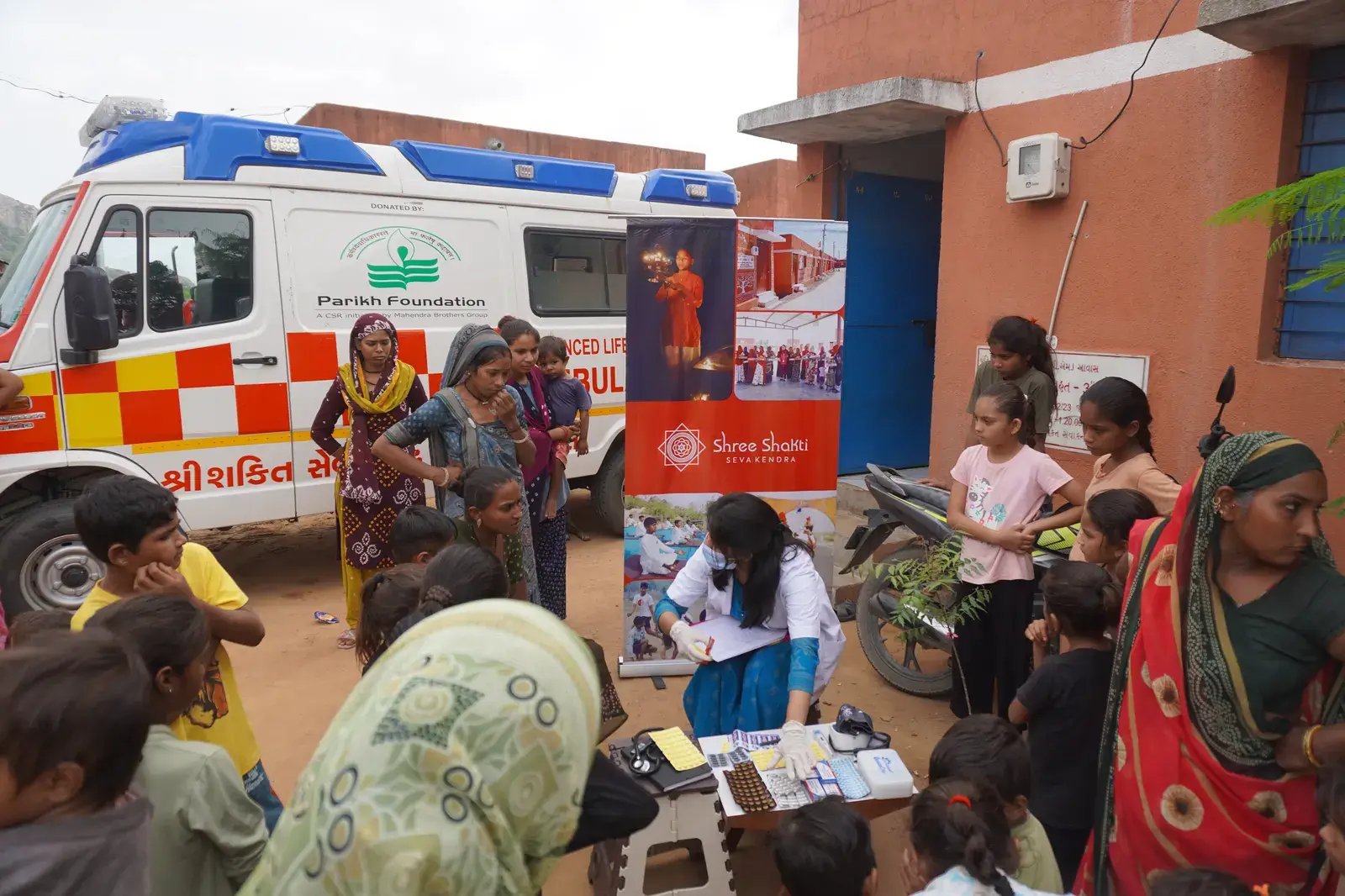
The medical camp in Jalotara is part of Shree Shakti Seva Kendra’s wider work with communities. SSSK works in areas such as education, healthcare, women empowerment and community development. Through these programmes, the organisation aims to support children, women, families and communities through practical help and long-term work.
Healthcare is an important part of this effort. A healthy family has a stronger ability to work, learn and plan for the future. Guided by the belief of our Founder Mrs. Usha Agarwal — that the right opportunities can help people change their own lives — SSSK continues to focus on solutions that are respectful, sustainable and locally rooted.
By organising medical camps and other community activities, SSSK continues to stay connected with people and respond to needs at the local level. Those who wish to be part of this journey can support SSSK’s mission and help extend such care to more villages in Banaskantha.
50 People, One Day of Care
The Jalotara medical camp brought together around 50 community members and a four-member medical team on 8 August 2026. For the people who attended, it was an opportunity to speak with medical professionals, receive health guidance and get medicines where required.
For SSSK, it was another opportunity to serve the community and strengthen its connection with the people of Jalotara. The organisation believes that meaningful seva begins with understanding people’s needs and taking action where support is needed — with the vision that every child is free to dream, every dream free to soar, and every family free to live a healthier life.
SSSK will continue its efforts in healthcare and other areas of community service, with the aim of helping families build healthier and better lives — one village, one camp, one conversation at a time.
Frequently Asked Questions
1. When was the SSSK medical camp organised in Jalotara?
▲
2. How many people attended the Jalotara medical camp?
▲
3. How many people were part of the medical team?
▲
4. Who was part of the medical team?
▲
5. Were medicines provided during the medical camp?
▲
6. Why does SSSK organise medical camps?
▲
भिक्षा नहीं शिक्षा | Education, Not Begging
Join the Mission
SSSK Supports Tribal Communities in Pancha Village, Ambaji Through Raincoat Distribution Drive | Shree Shakti Seva Kendra
SSSK Supports Tribal Communities in Pancha Village, Ambaji Through Raincoat Distribution Drive 22 August 2026 | Pancha V...
Read More →Our Founder Usha Agarwal Honoured at Femina Achievers 2026 | Shree Shakti Seva Kendra
Our Founder Mrs. Usha Agarwal Honoured at Femina Achievers 2026 It is a moment of great pride for Shree Shakti Seva Kend...
Read More →Our Founder Usha Agarwal Receives Honorary Rotary Recognition 2026–2027 | SSSK
Our Founder Usha Agarwal Receives Honorary Rotary Recognition for 2026–2027 Shree Shakti Seva Kendra (SSSK) is proud to...
Read More →Shree Shakti Seva Kendra Celebrates School Enrollment Festival with Social Impact
Shree Shakti Seva Kendra Celebrates School Enrollment Festival with Social Impact Salki Prathmik Shala, Dehgam, Gandhina...
Read More →