In a stirring triumph of human potential over adversity, the children of the tribal and Bharthari communities of Ambaji have earned their place on the grandest national stage. On October 31, during the historic Rashtriya Ekta Diwas (National Unity Day) celebrations at the Statue of Unity in Kevadia, the ceremonial Bagpiper Band of Shree Shakti Seva Kendra (SSSK) delivered a resounding musical presentation in the distinguished presence of Prime Minister Narendra Modi.
Only a few years ago, many of these young musicians were trapped in vulnerable circumstances—begging near the crowded temple corridors of Gabbar or performing grueling physical labor to survive. Through SSSK’s pioneering mission of child education and rehabilitation, their hands that once held begging bowls now hold polished brass, Scottish bagpipes, and marching snare drums. Explore how SSSK fosters self-reliance across communities on the empowerment and social welfare portal.
From the Steps of Gabbar to the National Stage: Transforming Begging into Music
The pilgrimage town of Ambaji in Banaskantha attracts millions of devotees each year to the revered Shaktipeeth. Yet, behind the temple bells, a stark social reality persisted: dozens of marginalized children from the indigenous Bharthari and migrant tribal communities spent their childhoods soliciting alms at the foothills of Gabbar, deprived of schooling, structured nutrition, and social dignity.
Shree Shakti Seva Kendra resolved to fundamentally transform this paradigm under the steadfast conviction of भિક્ષા નહીં શિક્ષા (Education, Not Begging). Rather than offering temporary handouts, SSSK brought these children into its residential care ecosystem. Recognizing that music instills profound self-worth, discipline, and unity, the organization introduced a specialized Bagpiper Band training curriculum. Professional bandmasters were brought in to teach classical bagpipe fingering, diaphragm breath control, snare and bass drum syncopation, and military drill formations. As documented by ground correspondents Jitesh Joshi and Mahendra Agarwal in Vatsalyam Samachar, dormant talents blossomed into extraordinary mastery, replacing vulnerability with poise and pride.
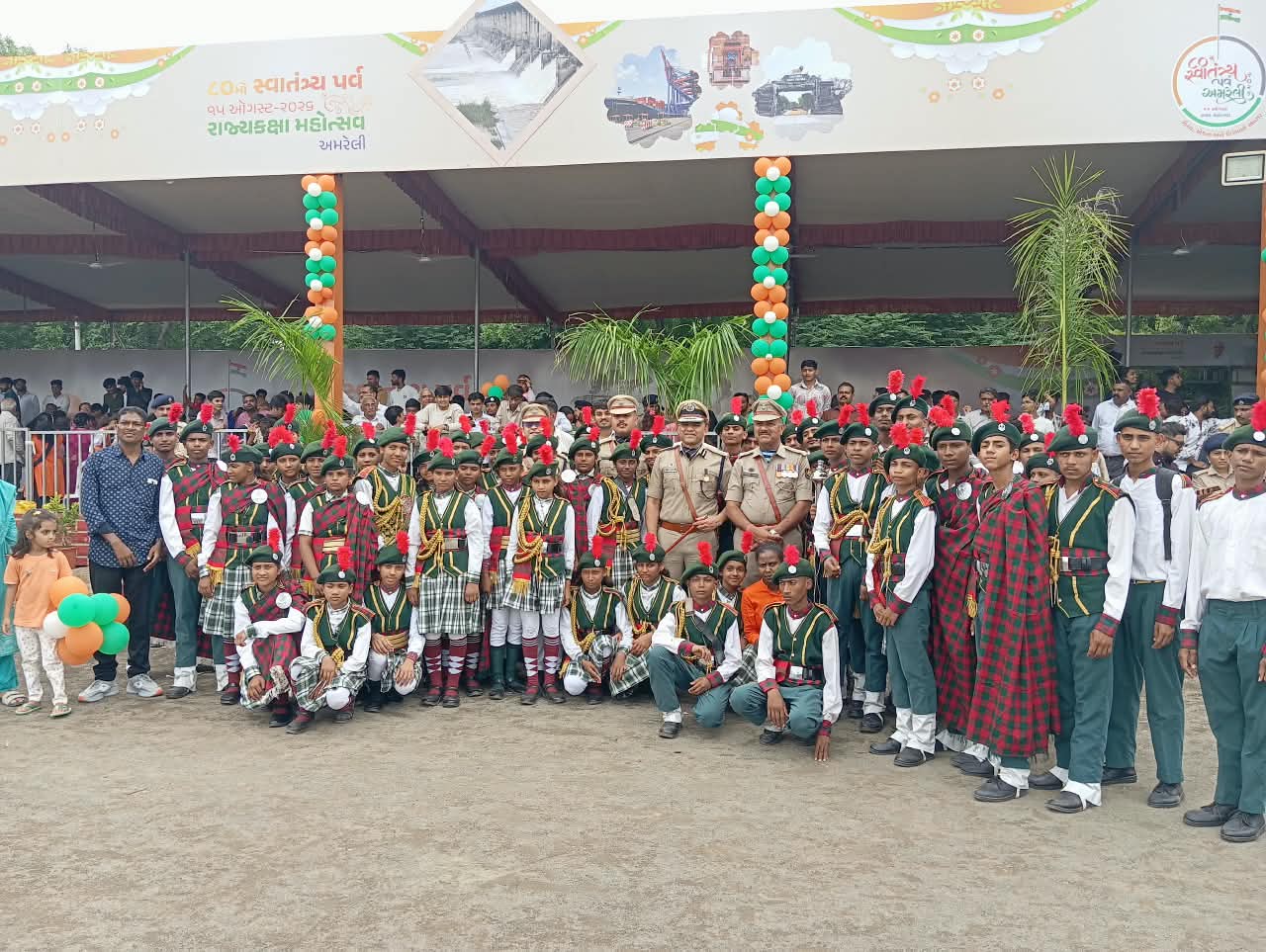
A Resounding Salute: Performing Before Prime Minister Narendra Modi at Kevadia
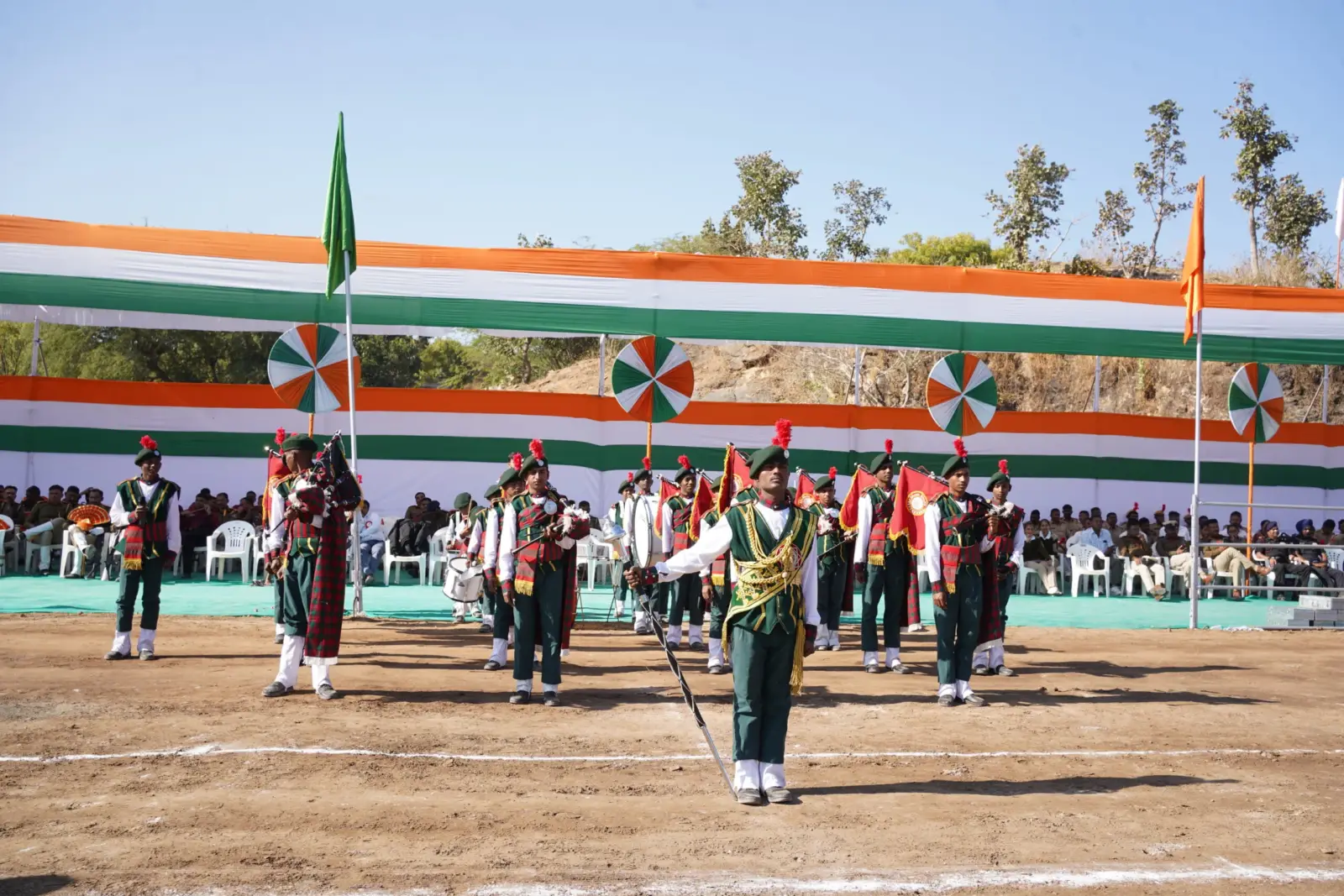
Standing tall against the monumental backdrop of the 182-meter Statue of Unity, Sardar Vallabhbhai Patel’s memorial echoed with the disciplined tunes of Ambaji’s young prodigies. Marching in immaculate ceremonial uniforms, white gaiters, and tartan sashes, the young ensemble performed patriotic melodies with clockwork synchronization, drawing earnest commendation from Prime Minister Narendra Modi, national dignitaries, and thousands of spectators attending the National Unity Day Parade.
For the children, the performance was more than a musical demonstration—it was an affirmation of identity. Standing face-to-face with the nation’s highest leadership proved that their humble beginnings could not limit their potential. Watch their inspiring musical performance and journey captured on the ground below:
Breaking Gender Barriers: The Rise of the Tribal Girls’ Bagpiper Band
Building upon the groundbreaking success of the initial boys’ ensemble, Shree Shakti Seva Kendra took another pioneering leap: founding an exclusive Tribal Girls Bagpiper Band. In remote rural communities where girls often face early marriage pressures and educational neglect, learning an instrument as physically demanding as the Scottish bagpipe is a radical act of empowerment.
1. Rigorous Musical and Physical Conditioning
Bagpipes require significant lung capacity, continuous air pressure management, and sharp hand-ear coordination while marching in rhythm. SSSK’s young girls underwent rigorous daily conditioning—balancing early morning practice sessions with academic classes, yoga, and nutritious meal routines at the residential hostel.
2. Fostering Leadership and Camaraderie
Leading a musical battalion fosters natural leadership. Young girls who previously hesitated to speak aloud now confidently conduct beats with the drum major’s mace, coordinate sectional entries, and mentor younger cohorts entering the band academy.
3. Shattering Deep-Rooted Stereotypes
Seeing young tribal girls perform complex pipe marches at state and national events has transformed community perceptions across Banaskantha. Families who once considered daughters an economic burden now take immense pride in their achievements, encouraging higher education and vocational ambition.
The Holistic SSSK Ecosystem: When Music Accompanies Quality Education
Musical talent is only one pillar of the holistic transformation nurtured by Shree Shakti Seva Kendra. The bagpipe band operates as a gateway to comprehensive personal development, seamlessly integrated with formal schooling and social rehabilitation.
Every child enrolled in the band receives full boarding at the SSSK Child Care & Hostel Facility in Ambaji, encompassing safe accommodation, hygienic meals, healthcare check-ups, and moral mentorship. Academically, the children attend accredited schools, with dedicated tutors providing after-hours remedial coaching. Learn how this integrated model creates measurable change across northern Gujarat on the SSSK full impact and programs page.
The results speak for themselves: school dropout rates among the enrolled Bharthari families have plummeted to zero, child labor has been eradicated in their immediate settlement clusters, and several senior band members are now pursuing higher secondary and technical diplomas.
Conclusion: The Symphony of Hope Echoing Across India
The journey of Ambaji’s tribal and Bharthari children to the national stage on October 31 is living proof that no child is defined by the circumstances of their birth. When society replaces apathy with opportunity, hands once extended for coins can orchestrate symphonies that captivate an entire nation.
As their triumphant melodies echo from the foothills of Arasur to the majestic banks of the Narmada at Kevadia, these young ambassadors have brought boundless pride to Banaskantha and Gujarat. To learn more about welcoming these remarkable children for institutional presentations, supporting musical instrument kits, or sponsoring a child’s complete schooling, explore the child education mission or contribute via SSSK’s online donation portal.
Frequently Asked Questions
1. What is the background of the children in the Ambaji Bagpiper Band?
▲
2. Where and when did the band perform before Prime Minister Narendra Modi?
▲
3. What instruments and skills do the children learn in SSSK’s music program?
▲
4. Is there also a separate girls’ band established by SSSK?
▲
5. How can citizens support these children and SSSK’s education initiative?
▲
ભિક્ષા નહીં શિક્ષા | Education, Not Begging
Empower Tribal Youth | Support SSSK’s Child Education & Music Mission
Warming Lives with Dignity: Usha Maa Leads Special Blanket Distribution at Shree Shakti Seva Kendra
As chilly winter breezes sweep across the rugged Aravalli foothills surrounding Ambaji, warmth of a deeply spiritual and...
Read More →From Ambaji to National Stage: The Inspiring Journey of the Bagpiper Band | SSSK
A decade ago, the idea sounded audacious in Ambaji’s tribal lanes — a bagpiper band of first-generation learners in cris...
Read More →15 Years of SSSK: A Timeline of Milestones, Challenges, and Triumphs | SSSK
Fifteen years can be counted in calendars — or in lives changed. From a small intervention in 2011 to a comprehensive mo...
Read More →Swadeshi Lamps by Sakhi Mandal: How Shree Shakti Seva Kendra Empowers Rural Women
As the sacred pilgrimage town of Ambaji prepares for the festival of lights, a quiet yet profound revolution is taking s...
Read More →