Fifteen years can be counted in calendars — or in lives changed. From a small intervention in 2011 to a comprehensive movement touching thousands of lives, Shree Shakti Seva Kendra (SSSK) has written its timeline not with grand announcements but with daily presence in Ambaji and across Banaskantha.
Founder Mrs. Usha Agarwal began by asking one question on the temple steps: What if the begging bowl could become a school bag? The answer unfolded through hostel beds made, band notes tuned, goals scored, looms threaded and health camps held. This is that story — milestones, hard seasons and the steady arc from begging bowl to school bag, verified by impact data and honoured by the TDO Office Recognition Certificate in 2025.
2011–2015: From Begging Bowl to School Bag — The Early Years That Built Trust
2011 — The Beginning. Mrs. Usha Agarwal launches Bhiksha Nahi Shiksha in Ambaji. The first group of children is counselled out of begging and enrolled in school — not with force, but with family conversations that make schooling feel possible.
2013 — Shree Shakti Hostel Established. Distance was the barrier; residence became the answer. The hostel offers a family away from home for children from remote Aravalli settlements — nutrition, health check-ups, evening tuition and wardens who know every name. See how daily life nurtures learning in our hostel daily routine and on the hostel and child care page.
2015 — Holistic Expansion. Education alone is not enough when hunger, illness or silence at home pull children back. SSSK adds structured nutrition, regular health screening and after-school tuition — early proof that dignity over charity means addressing the whole child, not just the enrolment form.
These years were slow and non-linear. Some children dropped back; some families hesitated for months. But each retained student became an advocate. Parents who once sent children with bowls began to send them with bags — and neighbours noticed.
2017–2019: Talent Knows No Boundaries — Music and Sports Take Flight
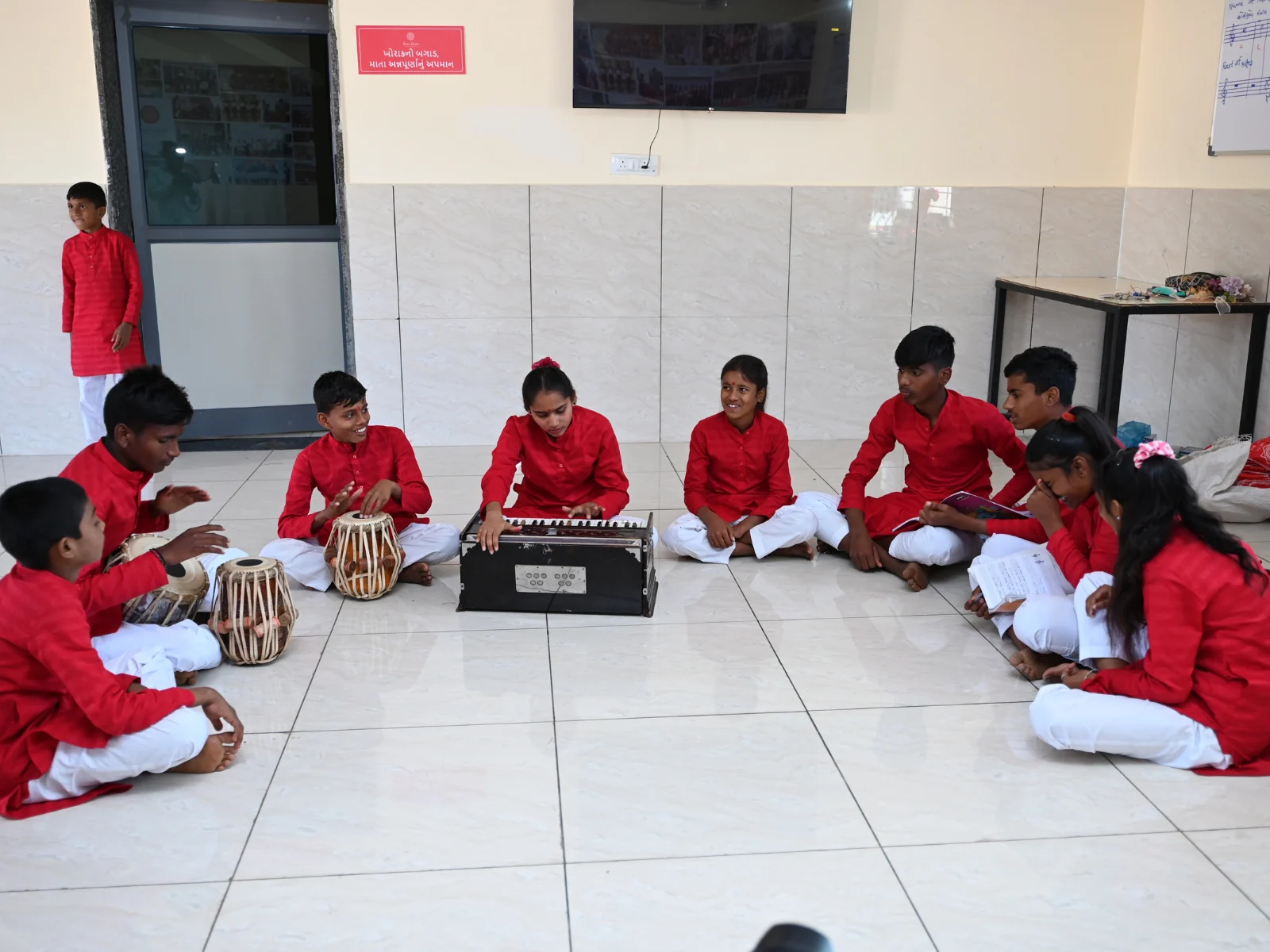
2017 — Shree Shakti Bagpiper Band Formed. Rehearsals after school give tribal youth posture, breath and belonging. From Ambaji practice grounds to prestigious events where the band performed before the Prime Minister, the journey proves talent exists everywhere — it just needs a platform.
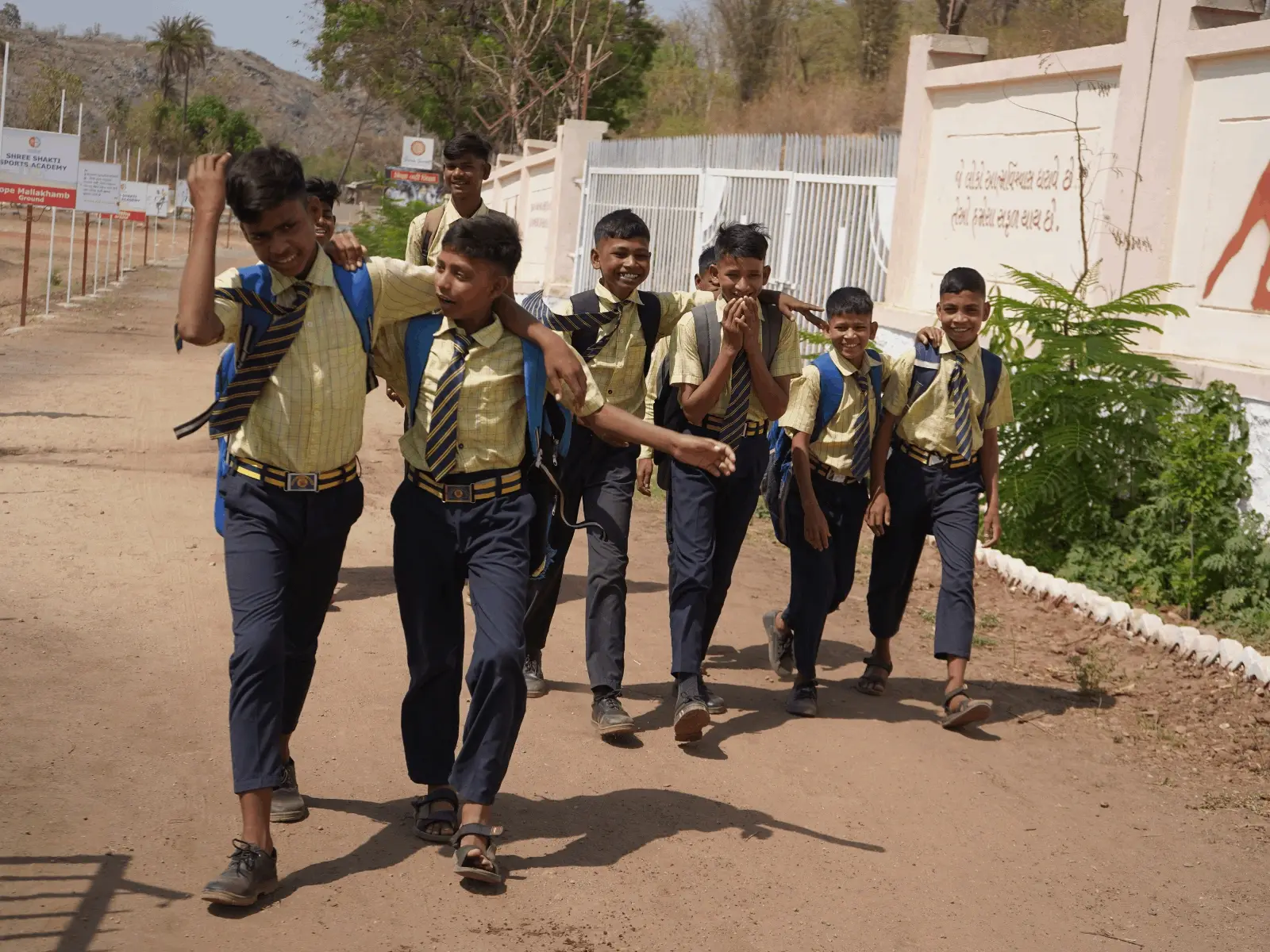
2019 — Shakti Sports Academy Launched. Structured athletics, football and later cricket bring discipline that returns to class. The sports academy runs evening training while monitoring academic progress, because the playground is as important as the classroom — and children who play are more likely to stay and succeed in school.
Both programmes share the same ethic: show up, practice, correct kindly, lead. Children become young achievers on field and stage, and settlements begin to describe SSSK not as an NGO that helped once, but as a neighbour that stays.
2021–2023: Resilience in Crisis and Scaling What Works
2021 — Pandemic Response. When schools closed, SSSK kept learning alive with remote support, worksheets delivered to hamlets and food distribution to 500+ families. Hostel children were tracked individually so that a temporary closure did not become a permanent dropout.
2023 — Scaling Impact. By now 200+ children are in formal schooling with strong retention, the self-help group has grown to 50+ women artisans earning through livelihood projects, and the sports academy produces district-level athletes while the band is invited to civic stages. Each vertical reinforces the others — livelihood reduces pressure to beg, music and sport increase attendance, health camps keep attendance possible.
Through these years SSSK also deepens partnerships and women empowerment linkages — bank accounts opened, ledgers maintained, exhibition stalls managed by artisans themselves. From dependence to independence, the settlement-level evidence accumulates: younger siblings enrol earlier, mothers negotiate differently, report cards are celebrated.
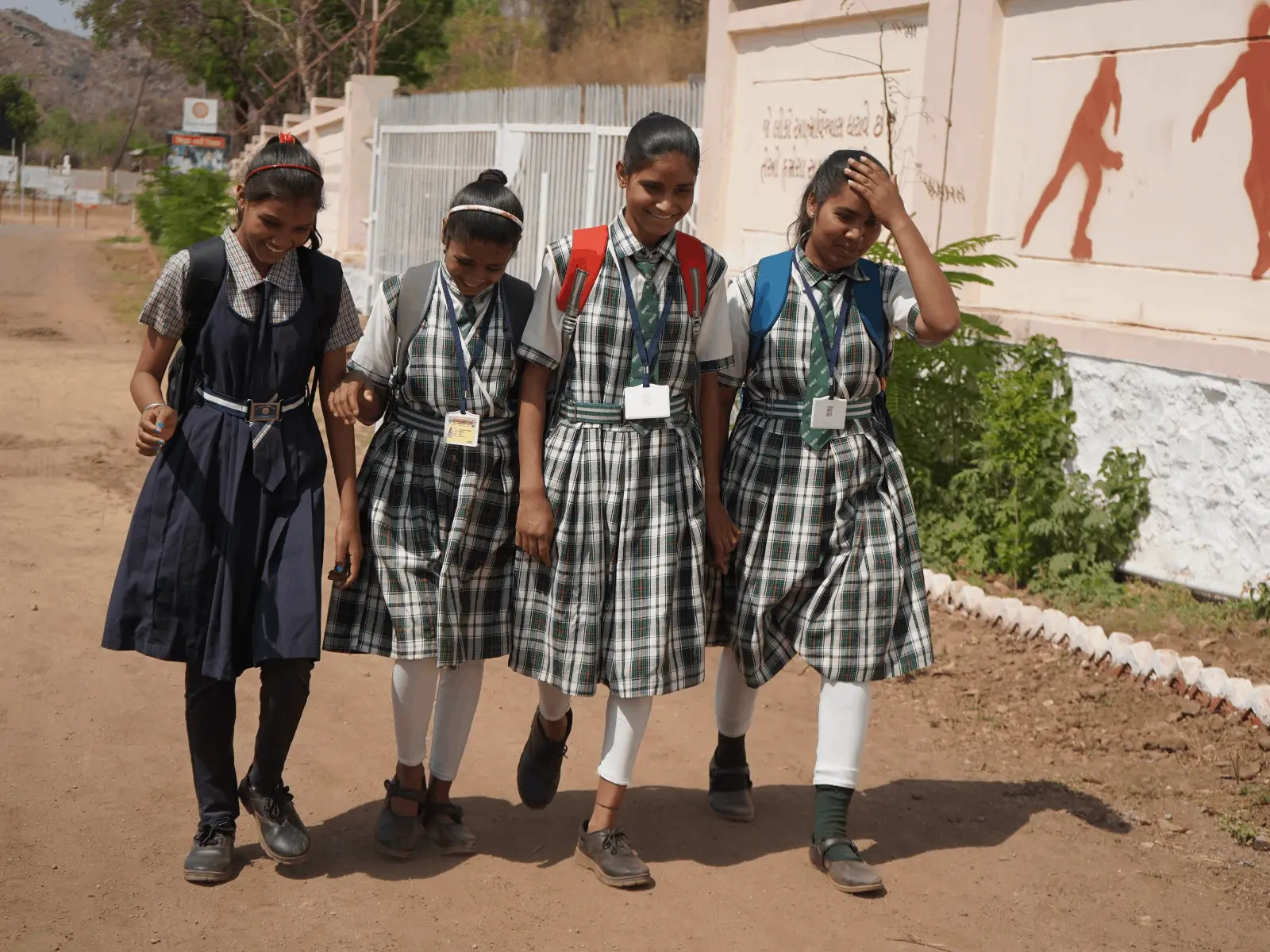
2025–2026: Recognition, Trust and the Next Chapter
2025 — Government Recognition. The TDO Office awards a Recognition Certificate to SSSK for consistent, transparent work in tribal development. Officials note stable retention, community trust and replicability — affirmation that grassroots follow-up can complement government infrastructure.
2026 — 15-Year Milestone. Today SSSK’s footprint spans child education, hostel care, 50+ SHG artisans, 30+ regular academy athletes with 8 district-level medals this year, band performances at public events, and 500+ patients treated through health camps. Over 500 children have been impacted across education, sports, music and healthcare since 2011, with the model now inspiring policy conversations in neighbouring blocks.
But the next question is already being asked by families: Can we go further? SSSK’s answer in 2026 is to steady systems, train more local mentors and open more doors — so that the arc from temple steps to national stages keeps lengthening for the next generation.
Conclusion: Fifteen Years of Dignity Over Charity — And the Invitation Ahead
A timeline can list dates; only a community can give them meaning. Each SSSK milestone is really a decision by a family — to try school, to stay, to stitch one more sari, to run one more lap, to hold a note longer. Fifteen years of those decisions is how a begging bowl becomes a school bag at scale.
As SSSK looks beyond 2026 — toward enroling 100 more children, expanding SHG to 100+ women and exploring e-commerce for tribal handicrafts — the invitation remains the same: walk with us. Explore how to donate or sponsor a child from begging, and help ensure every child free to dream finds every dream free to soar.
Frequently Asked Questions
1. When was Shree Shakti Seva Kendra founded?
▲
2. What are the key SSSK milestones from 2011 to 2026?
▲
3. How has SSSK impacted tribal communities in Ambaji?
▲
4. What recognition has SSSK received?
▲
5. What is SSSK’s vision after 15 years?
▲
6. How can I be part of SSSK’s next 15 years?
▲
Warming Lives with Dignity: Usha Maa Leads Special Blanket Distribution at Shree Shakti Seva Kendra
As chilly winter breezes sweep across the rugged Aravalli foothills surrounding Ambaji, warmth of a deeply spiritual and...
Read More →From Ambaji to National Stage: The Inspiring Journey of the Bagpiper Band | SSSK
A decade ago, the idea sounded audacious in Ambaji’s tribal lanes — a bagpiper band of first-generation learners in cris...
Read More →Swadeshi Lamps by Sakhi Mandal: How Shree Shakti Seva Kendra Empowers Rural Women
As the sacred pilgrimage town of Ambaji prepares for the festival of lights, a quiet yet profound revolution is taking s...
Read More →How SSSK’s Awareness Campaigns Are Changing Mindsets About Child Begging | SSSK
Changing a mindset is harder than handing a coin — and far more lasting. In Ambaji’s temple lanes and Banaskantha settle...
Read More →