Changing a mindset is harder than handing a coin — and far more lasting. In Ambaji’s temple lanes and Banaskantha settlements, Shree Shakti Seva Kendra (SSSK) has learned that awareness campaigns about child begging only work when they start with listening, not lecturing. That choice — dignity over charity — has helped families replace the begging bowl with a school bag.
Over 15 years since 2011, founder Mrs. Usha Agarwal and field teams have walked settlement to settlement, building trust one conversation at a time. The result is measurable: 200+ children in school, stronger demand for education, and a community that now asks about report cards instead of collection routes. Learn how this field-to-classroom approach works in our child education programmes and across our work in Ambaji.
Why Mindsets Matter More Than Handouts
For many families, begging was not a choice but an inherited coping pattern when schools felt distant and income felt uncertain. A coin given at the temple steps feeds a day; a lesson learned builds a life. SSSK’s campaigns begin with this truth — भिक्षा नहीं शिक्षा — and make it practical for parents who worry about fees, distance, uniforms and safety.
Instead of slogans shouted through loudspeakers, SSSK teams sit on charpais, share stories of local children who stayed in school, and show report cards, photos and even uniforms. When parents see a neighbour’s daughter reading fluently or a son performing with the band, the abstract promise of education becomes concrete. From dependence to independence feels reachable — one admission, one hostel bed, one scholarship at a time.
The Power of Community Dialogue — Not Confrontation
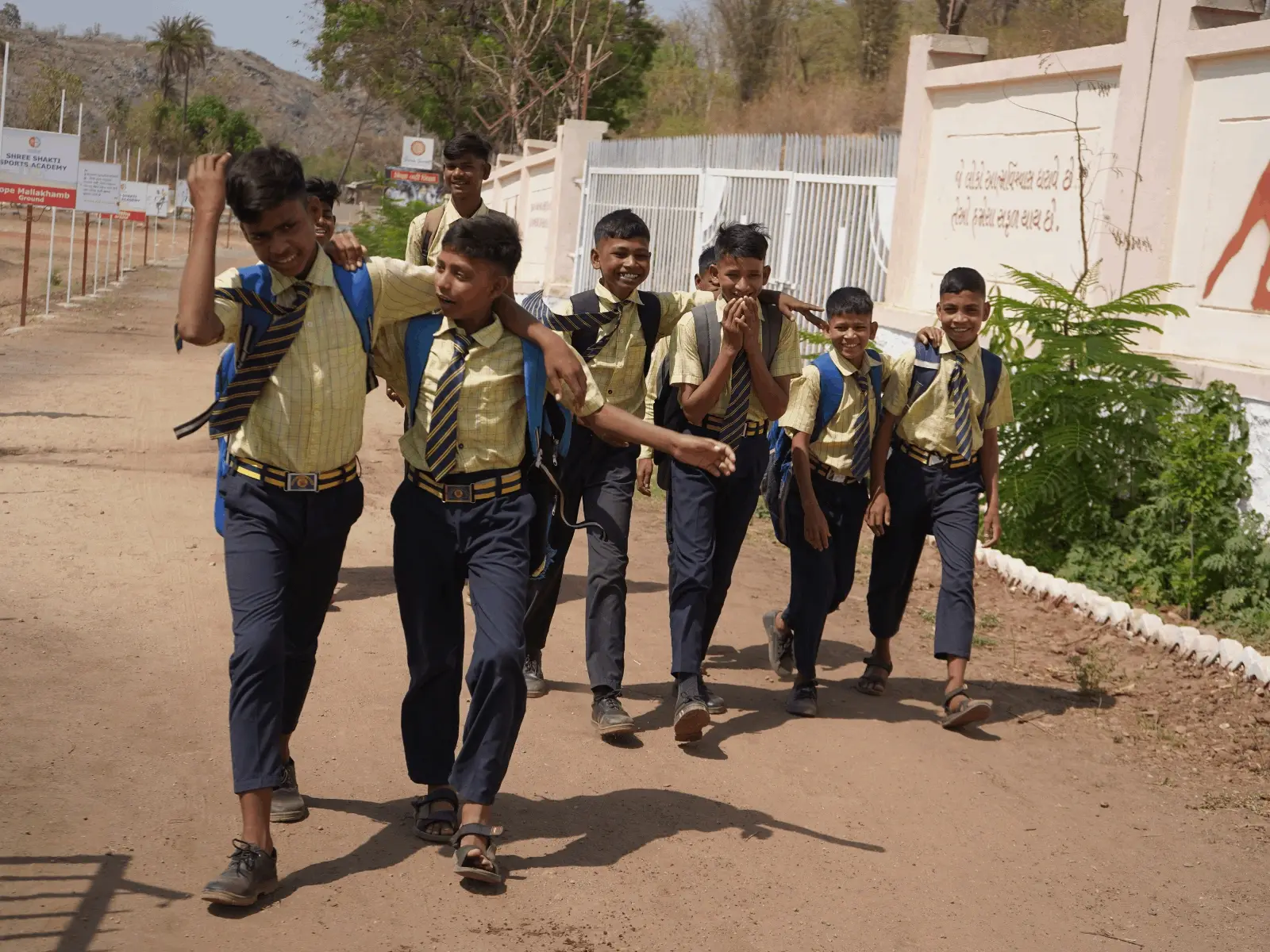
SSSK does not enter settlements to confront or shame. Workers — many of whom know the lanes and families for years — come to dialogue. They ask about harvests, health and school timings, and listen for the real barriers: Is the child needed at home? Is the school too far? Are there concerns about safety or costs?
This community-first approach is grounded in field experience and in the safe alternative that Shree Shakti Hostel provides — a family away from home where children from remote hamlets can stay and study. When families know there is reliable hostel care, nutrition and tutoring, saying yes to school feels less risky.
Dialogue is also repeated. SSSK returns week after week, festival after festival, so trust is earned, not demanded. Stories from life inside the hostel and voices of parents who already made the shift are shared openly, in local language, without jargon.
“Change does not come from telling families they are wrong. It comes from showing — gently and repeatedly — that school can be safe, affordable and useful, and that their child belongs there.”
— SSSK field coordinator, Ambaji
Changing Mindsets, One Family at a Time
For families where begging spanned generations, the first yes is often tentative: one child enrolled in Class 1, watched closely for a few months. SSSK supports that yes with a full package — admission help, uniforms and books, health check-ups, and evening tuition so parents see progress quickly.
As that child thrives, younger siblings follow. Mothers join the women empowerment and self-help groups — 50+ women now earning through sewing and handicrafts — which further reduces pressure to send children out with bowls. Fathers take pride in a report card the whole settlement asks to see.
One parent from a Danta village said, “We thought begging would always be part of life. Then we saw our neighbour’s son in school uniform. Now our son reads the bus board for us.” That sentence travels faster than any poster.
Measurable Impact: From Begging Bowl to School Bag at Scale
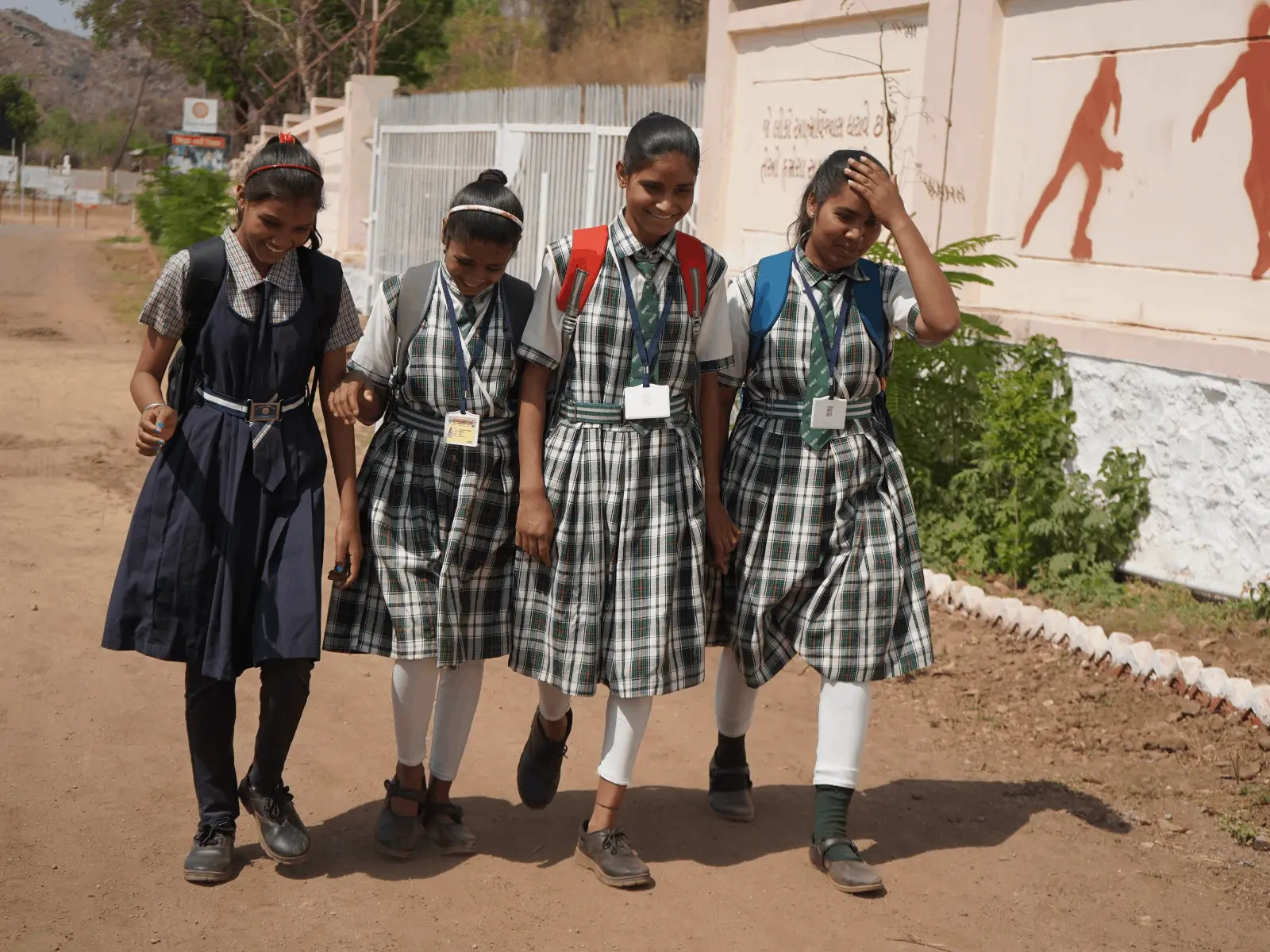
Over the last few years, SSSK has documented a clear shift: 200+ children transitioned from begging to formal schooling, visible begging by children reduced around temple areas, and community demand for enrolment has risen — so much that government bodies have taken note. The 2025 TDO Office Recognition Certificate affirmed the model as transparent, community-trusted and replicable.
Awareness does not end with admission. Teams track attendance, run bridge classes in holidays, and keep families linked to nutrition and health camps — 500+ patients treated in recent outreach — so schooling sticks. The arc is always the same: start where the family is, change through steady education, and grow toward self-reliance.
You can see this progression across programmes — hostel care, sports for retention, music, and livelihoods — each reinforcing that every child free to dream will find every dream free to soar when adults hold the door open together.
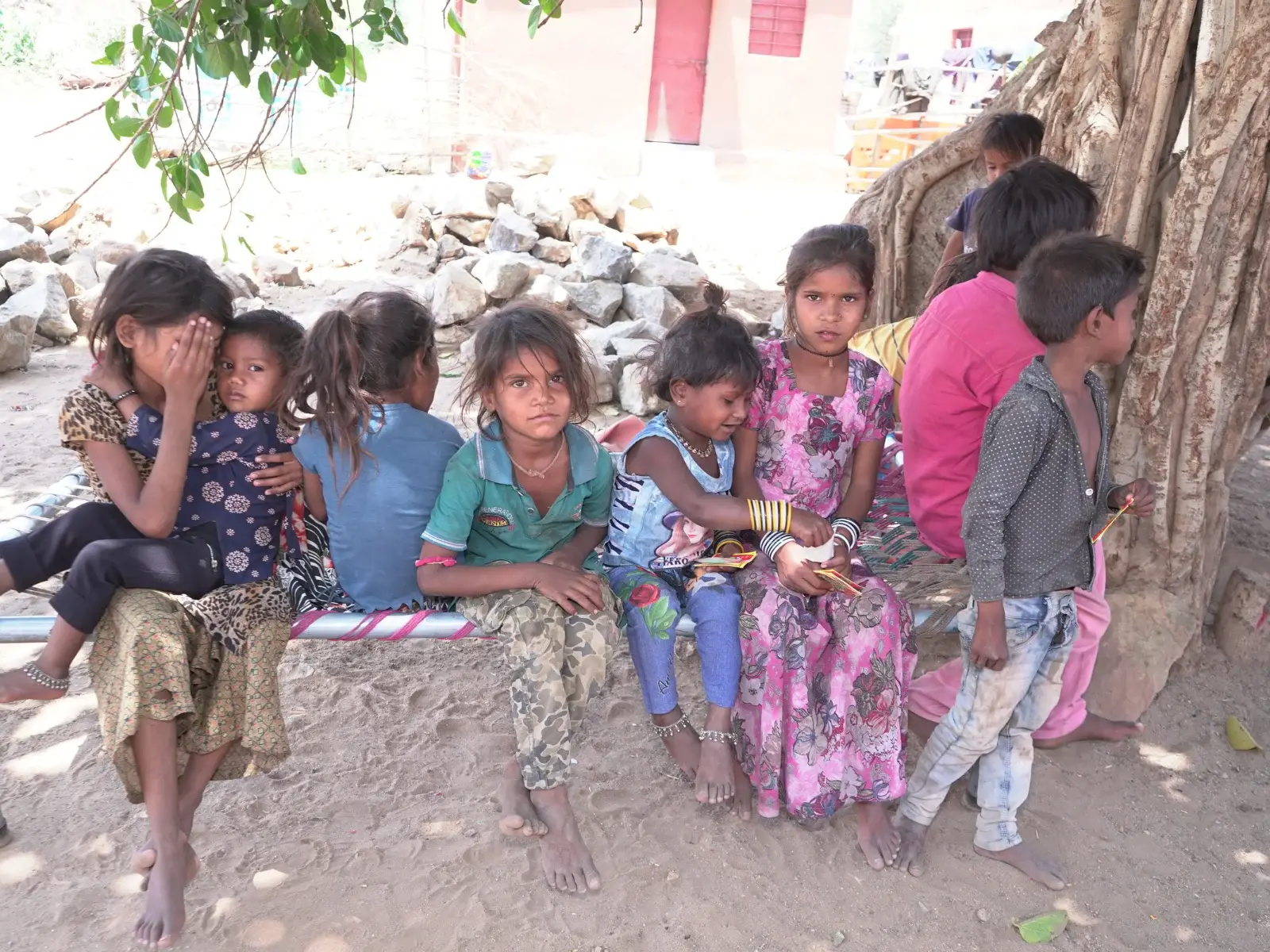
Conclusion: When a Community Believes, Children Stay in School
The hardest part of social change is also the most important: belief. SSSK’s campaigns prove that when a Banaskantha settlement believes education will be safe, consistent and respectful, families will choose books over bowls — not because they were told to, but because they have seen it work for their neighbours.
From temple steps to classrooms, breaking the cycle of poverty — one day at a time — is possible when awareness is rooted in relationships. If you would like to stand with families making this choice, explore how to donate or sponsor a child’s education and help keep that belief alive.
Frequently Asked Questions
1. How do SSSK awareness campaigns about child begging work?
▲
2. Why is community mindset change important to stop child begging?
▲
3. What results have SSSK awareness campaigns achieved?
▲
4. How can I support mind-set change beyond donating?
▲
5. Does SSSK work with government bodies on this issue?
▲
Warming Lives with Dignity: Usha Maa Leads Special Blanket Distribution at Shree Shakti Seva Kendra
As chilly winter breezes sweep across the rugged Aravalli foothills surrounding Ambaji, warmth of a deeply spiritual and...
Read More →From Ambaji to National Stage: The Inspiring Journey of the Bagpiper Band | SSSK
A decade ago, the idea sounded audacious in Ambaji’s tribal lanes — a bagpiper band of first-generation learners in cris...
Read More →15 Years of SSSK: A Timeline of Milestones, Challenges, and Triumphs | SSSK
Fifteen years can be counted in calendars — or in lives changed. From a small intervention in 2011 to a comprehensive mo...
Read More →Swadeshi Lamps by Sakhi Mandal: How Shree Shakti Seva Kendra Empowers Rural Women
As the sacred pilgrimage town of Ambaji prepares for the festival of lights, a quiet yet profound revolution is taking s...
Read More →