On the temple steps of Ambaji, the sight of small hands holding begging bowls is fading — replaced by hands holding pencils, slates and school bags. These 10 sponsored tribal children and their education success stories are proof that when a child gets a chance to learn, an entire family’s future changes. This is the heart of Shree Shakti Seva Kendra (SSSK) and its 15-year promise — भिक्षा नहीं शिक्षा — Education, Not Begging.
Founded in 2011 by Mrs. Usha Agarwal in Ambaji, Banaskantha, SSSK now supports 200+ first-generation learners through child education programmes and a safe, nurturing hostel. Each story below follows the same dignity-over-charity arc — from begging bowl to school bag, from dependence to independence, with talent knows no boundaries as the thread that connects them.
What Sponsored Tribal Children and Education Success Stories Really Mean at SSSK
Sponsorship at SSSK is not a one-time gift of books. It is a long-term companionship that covers school fees, uniforms, daily tuition, nutritious meals, health check-ups and a place to belong. When you sponsor a child from begging, you ensure attendance today becomes reading fluency next term and confidence by year end. It is impact you can track — breaking the cycle of poverty — one day at a time.
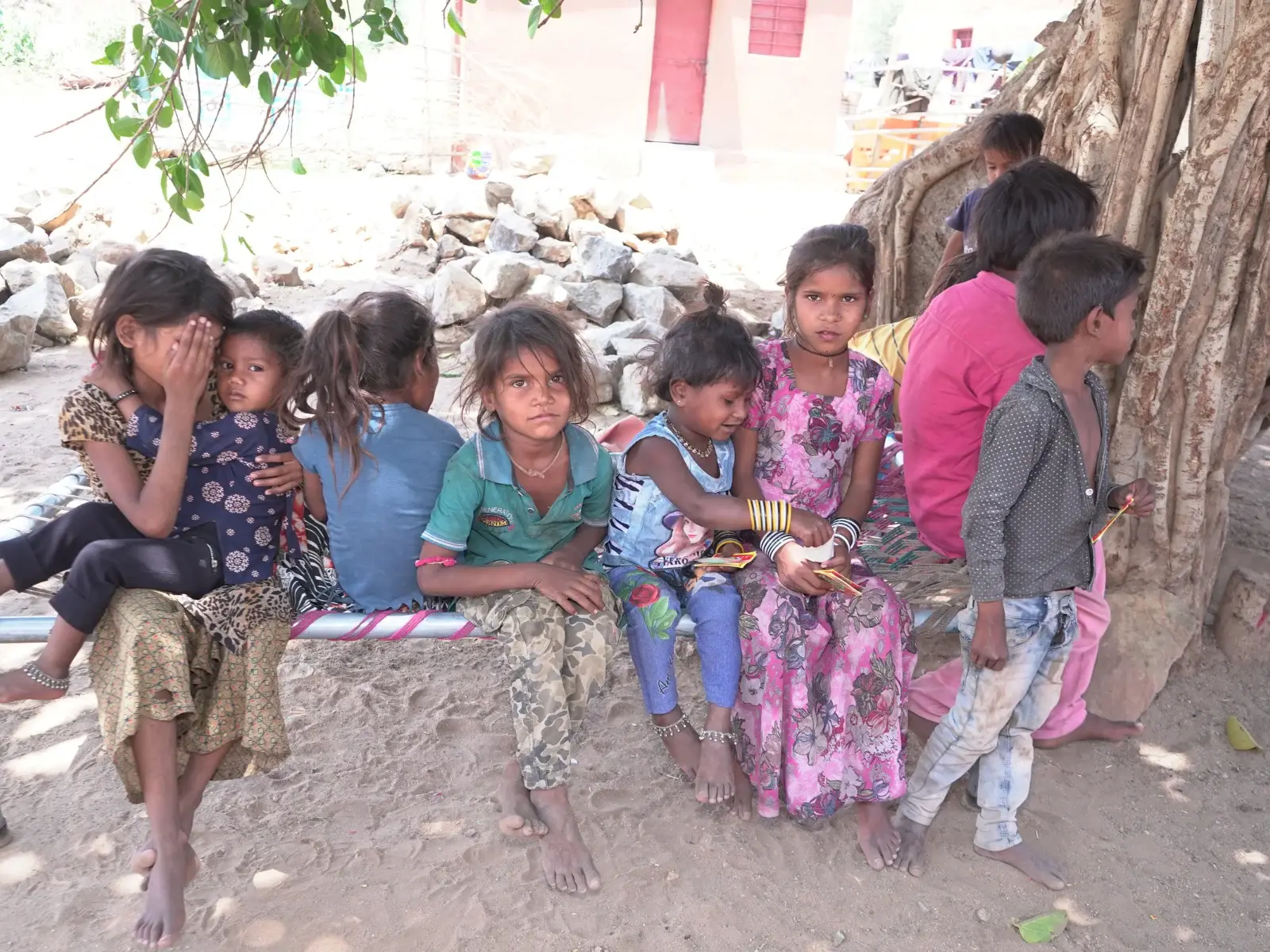
Field workers in Banaskantha settlements still meet families where begging felt like the only option. The conversation never starts with blame. It starts with listening: Why is the child out of school? How far is the nearest school? What would make enrolment possible? Then SSSK builds a practical plan — counselling, admission, bridge learning and regular follow-up, so the child does not just enrol, but stays and thrives.
“We never ask a child to forget where they came from. We ask where they want to go — and we walk with them. When a child replaces the begging bowl with a school bag, the whole lane begins to believe change is possible.”
— Mrs. Usha Agarwal, Founder, Shree Shakti Seva Kendra
A Family Away From Home: How Hostel Care Keeps Dreams Alive
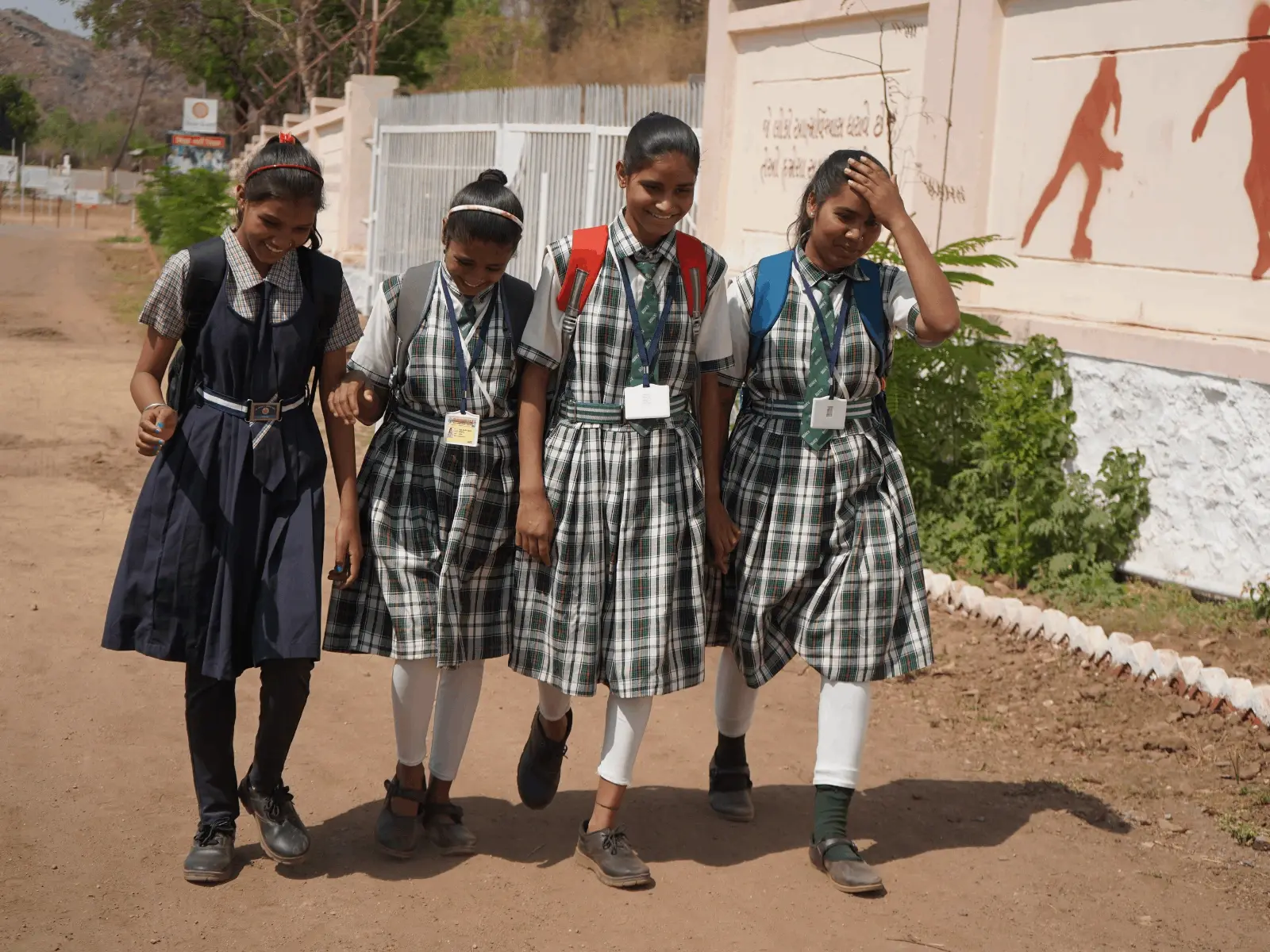
For many tribal hamlets in the Aravalli hills, the nearest secondary school is hours away on foot. The Shree Shakti Hostel solves this by becoming a family away from home — clean dormitories, caring wardens who know every child by name, evening study, and the quiet discipline of routine. Learn how daily rhythms nurture learning on our hostel daily routine blog.
Inside the hostel, 10 dreams now have room to grow. A Class 10 girl who once accompanied her mother to the temple steps now solves algebra on a blackboard and tutors younger children after dinner. A boy who struggled to write his name in Class 2 now reads aloud in morning assembly. Another dreams of becoming a nurse after seeing SSSK health camps care for her grandmother. Each child is not a statistic — they are young achievers with names, favourite subjects and firm plans.
The small rituals matter most: making beds, washing plates, helping with homework, celebrating birthdays with a shared sweet. As one hostel student says, “Earlier I missed home every night. Now older didis braid my hair, check my notebooks, and say every child free to dream, every dream free to soar — I want to become a teacher.” Those bonds are why retention is high and why sponsored tribal children stay in school year after year.
Talent Knows No Boundaries: From Classroom to Playground and Stage
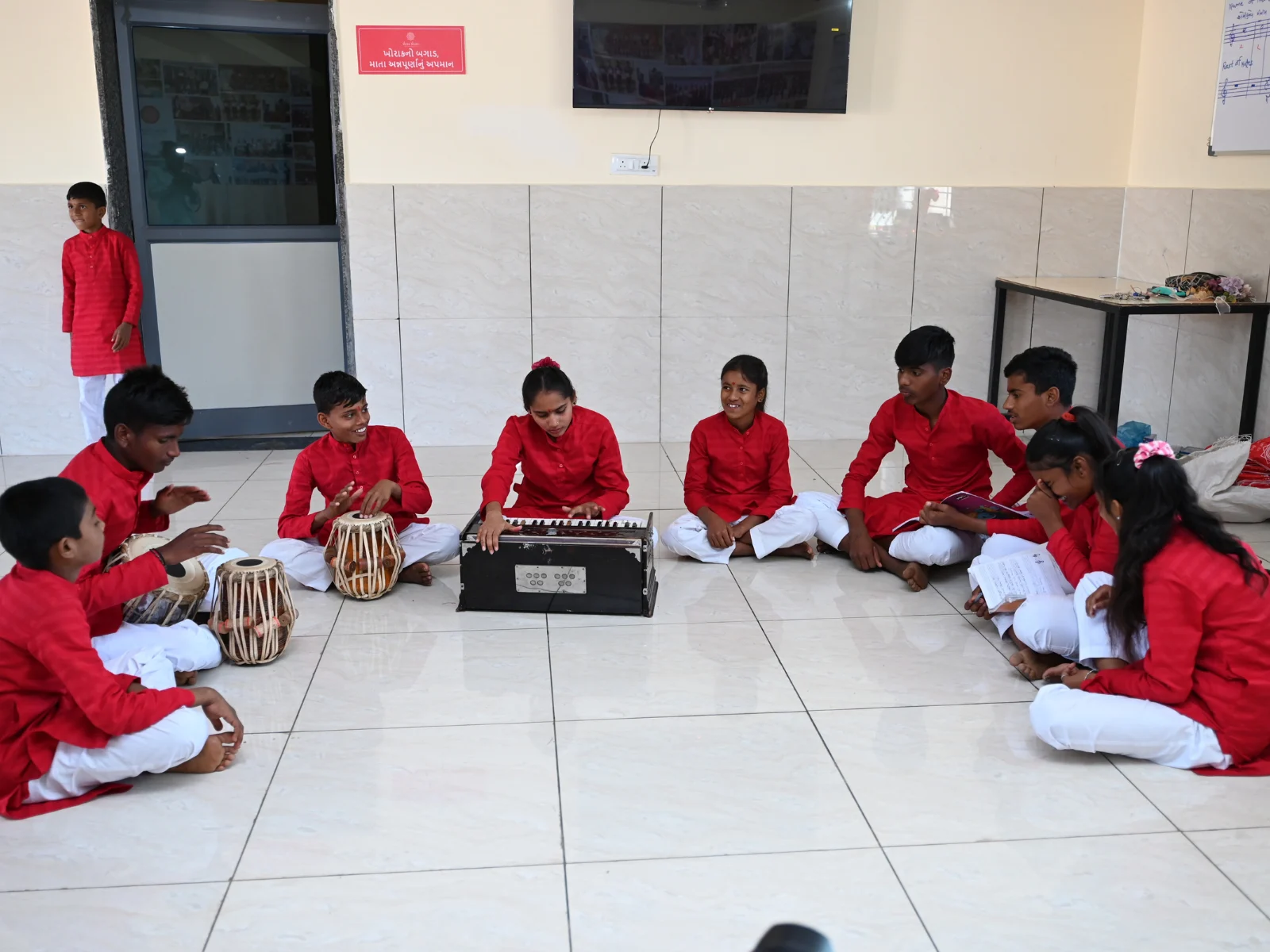
Talent knows no boundaries at SSSK — the playground is as important as the classroom. Children who learn discipline on the field bring it back to their desks. Read about athletics, football and confidence-building on our Shakti Sports Academy page. Others find their voice through music; the Shree Shakti Bagpiper Band, formed in 2017, has taken youth from temple steps to national stages, even performing before the Prime Minister.
For these 10 students, education success is not only marks on a report card. It is a medal won at the block meet that convinces a father to let his daughter stay in school, a drumbeat mastered that turns stage fright into steady speech, a science diagram explained to a younger sibling that proves knowledge travels home. When one child plays, performs or leads, the settlement notices — and more parents ask, “Can my child join too?”
“When I wear the band uniform, I feel tall. People clap for us. My mother says she never imagined villagers would take photos with her son.”
— Bagpiper Band member, age 14 (name withheld), Ambaji
From Dependence to Independence: How One Sponsored Child Uplifts a Family
When one child stays in school, the household shifts. Mothers who once walked with children for begging now join the Shree Shakti Self-Help Group — 50+ women earning with dignity through tailoring and handicrafts. Younger siblings insist on enrolment. Fathers frame the first report card on a mud wall. Empowerment, not charity, is the method.
This ripple effect is why SSSK received the TDO Office Recognition Certificate in 2025 and why our work across education, hostel, livelihoods and health is trusted by families and officials alike. From a single sponsored child comes higher household aspirations — a ration card linked, a health camp attended, a daughter finishing Class 12, a son joining ITI training.
One mother from a Banaskantha settlement shared recently: “Earlier people gave us coins. Now they ask my daughter to read their letters. That respect is bigger than money.” That is dignity over charity in one sentence — and it is repeated in home after home when sponsorship is sustained.
Conclusion: Dignity Over Charity — Why These 10 Dreams Matter to All of Us
These 10 children are not defined by where they started. They are students, athletes, musicians and future teachers — resilient young achievers writing new chapters with their own hands. Their education success stories show what happens when a community chooses begging bowl to school bag as a deliberate, daily practice.
If one child’s dream can lift a family from dependence to independence, imagine what 10 — and then 200 — can do for a settlement. You can be part of that arc. Explore donation options or sponsor directly, and help keep every child free to dream, every dream free to soar.
Frequently Asked Questions
1. Who are the sponsored tribal children at SSSK?
▲
2. How does child sponsorship work at Shree Shakti Seva Kendra?
▲
3. What counts as an education success story at SSSK?
▲
4. Can I meet the children or visit the hostel in Ambaji?
▲
5. How do I support a child beyond sponsorship?
▲
Shree Shakti Seva Kendra Shines at State-Level School Band Competition
Shree Shakti Seva Kendra Shines at State-Level School Band Competition Shree Shakti Seva Kendra, Ambaji, has achieved a...
Read More →5 Handmade Products That Tell the Story of Tribal Artisans’ Resilience | SSSK
Every thread, bead and brushstroke from the Shree Shakti Self-Help Group (SHG) carries a decision: from dependence to in...
Read More →Young Athletes Demonstrate Speed, Strength and Determination
Young Athletes Demonstrate Speed, Strength and Determination Students of Shree Shakti Seva Kendra, Ambaji, have made the...
Read More →Handmade with Heart: The Journey of a Handicraft from Artisan to Your Home
Handmade with Heart: The Journey of a Handicraft from Artisan to Your Home Every gift you bring into your home carries a...
Read More →